


No amount of Guinness cake would be sufficient to celebrate the fact that Nigella Lawson has been announced as a new judge on The Great British Bake Off. The patron saint of kitchen innuendo is already famous enough to have attained – like Madonna and Zendaya – mononymic status. But this move will cement her position as something many have considered her for a while now: a national treasure.
“I’m uncharacteristically rather lost for words right now!” she said, of the Bake Off appointment. “Of course it’s daunting to be following in the footsteps of Prue Leith and Mary Berry before her, great dames both, but I’m also bubbling with excitement.”
Nigella’s arrival in the tent might bring just the ratings surge the show needs (viewing figures have slipped ever since it moved from the BBC to Channel 4 in 2017). But even if it doesn’t – or if initial interest fails to maintain momentum – at least her appearance will help the beloved but faltering franchise go down with its head held high. More importantly, it will return to our screens exactly the sort of role model we require in these most dire of times.
Ever since the release of her first book, How To Eat, in 1998, Nigella has been bringing a unique sort of spoon-licking glamour to home cookery. Her first television series, Nigella Bites, came the following year, and the format has never been the same since.
As the Celebrity Masterchef finale hits screens and Dent prepares for the much-loved amateur series, the nation’s favourite food critic turned presenter talks about about taking over a television institution, how she keeps fit and doing nine-hour days in stilettos.
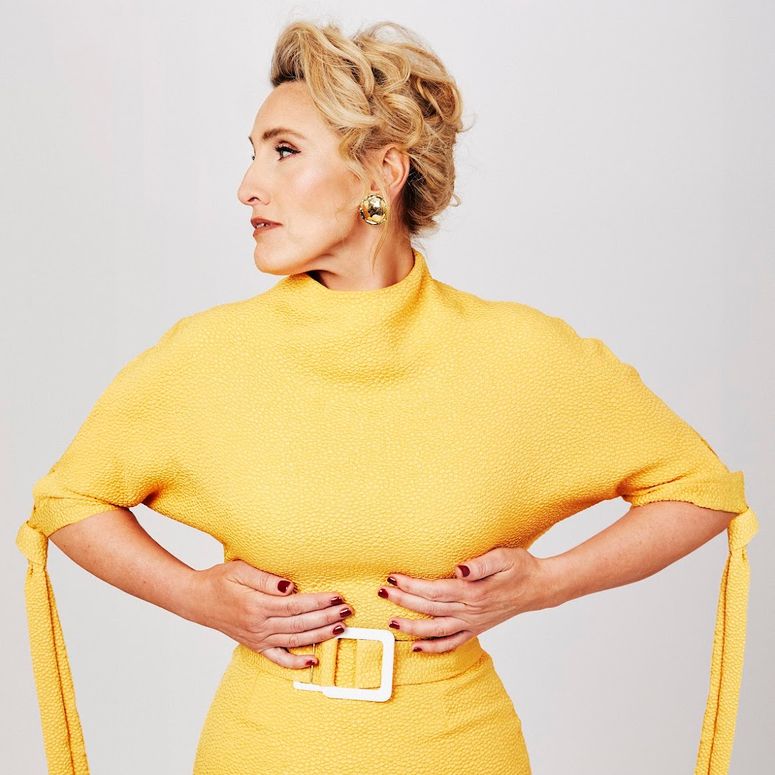
But her appeal goes beyond easy bakes and saucy asides. When I moved to my first tiny London flatshare with two other bright-eyed and broke young women in 2015, we would watch Nigella religiously. Retro reruns of Nigellissima, new episodes the night they aired, Christmas specials: we devoured it all, huddled around laptops on one another’s beds, swaddled in dressing gowns. Never mind the fact that we never once came close to recreating any of her recipes in our ill-equipped and extremely underused kitchen.
That’s the beauty of Nigella’s work. She has always presented food as a pleasure and a comfort: something to be shared with friends, and attempted regardless of skill level or the state of your fridge. Watching her in our flatshare was a homely foil to the drudgery of graduate jobs, not to mention a welcome antidote to the food-shaming that was commonplace on TV in the ’90s and Noughties. If you’d grown up watching What Not To Wear, You Are What You Eat, and America’s Next Top Model, Nigella felt like a bit of a revelation. And she maintains that power today.
Her baking bible How to be a Domestic Goddess attracted the ire of feminists when it was first published in 2000. But if the title sounds proto-trad-wife, know that you need only scratch the surface to see that it was ironic. “It was about the pleasures of feeling like one rather than actually being one,” as Lawson herself wrote in 2001. She may have been impossibly glamorous, but she was also realistic, relatable and refreshingly – by her own admission – inexpert at basic kitchen tasks, like chopping.
This candid irreverence extended to comments about her personal life too. In 2013, when asked about her weight loss, she put it down to the fact that she had undergone bunion surgery. She claimed that the operation had left her in too much pain to walk to the fridge, and that she was often too embarrassed to ask for seconds from family and friends.
She’s weathered far more intense public scrutiny too, of course. Alongside the predictable body-shaming (see the line of questioning referenced above), there was a cocaine scandal, and intense tabloid coverage of her relationship with advertising mogul Charles Saatchi, which memorably ended with the publication of those images of them outside a Mayfair restaurant back in 2013. If she could survive all of that, and emerge with head held high and sense of humour intact, my flatmates and I could make it through our 20s, we figured.
As we entered our 30s, there were no new series or books, but Nigella remained a significant part of life. She has continued to provide entertainment by leaning into the unashamedly camp aspects of her public persona. Recall the viral microwavé mispronunciation of 2020, which lives on in internet infamy. “That’s what I call it at home,” she told the BBC, joking that she now refers to it as the “you know what”.
Here’s hoping her tenure in the Bake Off tent brings many more of the sort of throwaway quips that – when uttered by Nigella – seem destined to take on a life of their own. In the meantime, I’ll be making Marmite spaghetti and watching YouTube clips of one of the nation’s greats at work.