


It’s no surprise that collagen supplements are suddenly everywhere. Collagen is the most abundant protein in the human body, playing a crucial role in providing structure, elasticity, and strength to tissues. However, our natural production of collagen begins to decline in our mid-twenties, making it harder to maintain smooth, firm skin, strong hair and flexible joints. Which means the best collagen supplements – tablets, drinks and powders – that claim to replenish our stores have quickly surged in popularity.
Featured in this article


“As we age, the body’s ability to produce collagen naturally diminishes,” explains nutritionist and menopause specialist Dr Laura Wyness. She notes that this decline accelerates during perimenopause. “Falling oestrogen levels lead to a faster reduction in collagen production,” she says, which can contribute to joint discomfort, thinning hair and nails and sagging skin.
- Jump to the product reviews
- Best collagen peptide supplements
- What is collagen and what does it do in the body?
- What to look for in the best collagen supplements
- Understanding the different types of collagen
- What should everyone know about collagen supplements?
- Which form of collagen is most effective?
- Are all collagen supplements the same?
- Is marine collagen or bovine collagen considered the best?
- Can collagen help with menopause symptoms?
- Which collagen is best for anti-ageing?
- What’s the best vegan collagen?
- Which collagen is best for joint health?
- How do I choose a collagen supplement?
- Can I take collagen every day?
- How long does collagen take to start working?
- When should I take collagen, in the morning or at night?
- What collagen does Jennifer Aniston use?
Beyond easing menopause-related symptoms, collagen supplements may also help reduce wrinkles and support the body’s natural repair processes. But with so many products on the market and lots of different viewpoints on what works, choosing the right one can be overwhelming. To help cut through the noise, we consulted doctors, pharmacists and nutritionists to understand how collagen works – and what to look for in a high-quality supplement.
Firework content
What is collagen and what does it do in the body?
“Collagen is a vital structural protein that plays a key role in maintaining the strength and integrity of various tissues throughout the body,” says Dr Giovanni Angiolini, a surgeon and specialist in anti-ageing and functional medicine. While there are more than 28 known types of collagen, he explains that types one to five are the most extensively studied and understood — making them the most important to look for in a supplement. Read to the end to read Dr Angiolini’s outline of the main types of collagen and the specific areas they support. Regardless of the type, he emphasises that “any supplement should be complemented by a healthy diet and lifestyle.”
What to look for in the best collagen supplements
There are four factors worth considering when choosing a collagen supplement:
- Bioavailability: All of the doctors and nutritionists we consulted agree that it is best to look for hydrolysed collagen supplements. “The hydrolysis process makes collagen molecules smaller and easier to absorb, enhancing their bioavailability and efficacy in the body,” says Dr Angiolini.
- Quality of collagen sources: It is also important to choose collagen from high-quality sources. For collagen from animal-based sources, look for “grass-fed, pasture-raised or wild-caught” language on labels – according to Dr Bisma Hussain, who specialises in genetics, biohacking and regenerative medicine at Geneviv Clinic, these signify that a product is free of harmful additives and contaminants, and so safer and more effective for long-term use.
- Ingredients: Be sure to check the ingredients to ensure you are using the collagen type best suited to your health goals. Since ingredients such as hyaluronic acid, biotin and vitamin C work in tandem with collagen to promote increased collagen production, it’s also worth considering supplements that contain a multi-ingredient blend. Angiolini advises looking out for allergens if you have dietary sensitivities and carefully studying the ingredients of any flavoured collagen blends. “Flavoured options often contain added sugars or artificial ingredients,” he warns.
- Testing: “Any good collagen supplement will have been third-party tested for purity and quality,” notes Angiolini. As a general rule, the best collagen brands are those whose supplements have been subjected to independent reviews.
Equipped with the facts, we have tested a range of collagen supplements that meet this criteria, and rated them on flavour, ease of use and results. Scroll on for our collagen recommendations, from the supplements worth trying to how to use them effectively for the best results.
Vida Glow Liquid Collagen Advance

- Best collagen for: nails
- Type: liquid sachets
- Key ingredients: 5g of hydrolysed marine collagen peptides, ascorbic acid to enhance their absorption and Vida Glow’s proprietary B-Blend4 antioxidant complex.
- Why Vogue loves it: A “leading authority” on collagen supplements – according to Vogue’s Jessica Diner – Vida Glow formulates collagen worth taking. “Their liquid collagen shots are so good, I’m constantly running out.” Their appeal? A fast-absorbing, portable cocktail of collagen peptides and vitamin C, full of flavour and benefits for hair, nails and skin. Finished with goji berries, pomegranate, acerola cherries and manuka honey, it’s rich in antioxidants too, and gets you 5000mg of collagen peptides in a single serve. Its low molecular weight ensures that it is readily absorbed throughout the body, supporting healthier nails, hair and skin from the inside out. The combination of apple and tropical flavours makes them easy to slot into your routine too.
- What experts say: Dr Wolkowski approves of pairing collagen with vitamin C for accelerated results. “As I’ve seen in clinic, collagen peptides significantly enhance collagen synthesis in the body when they are combined with vitamin C,” she explains.
- Great for travel
- Easy to take
- Effective
- Many flavours
- Sugary taste may not appeal to everyone
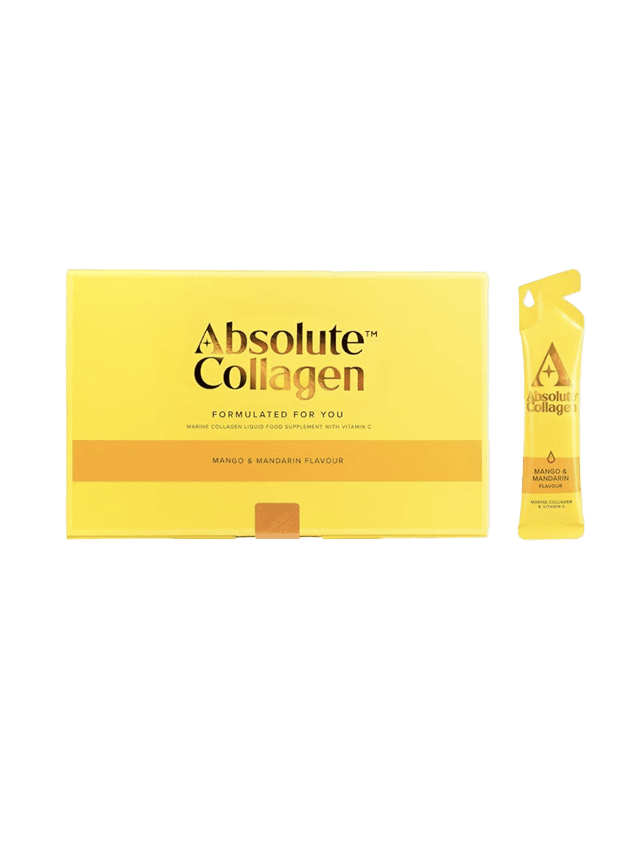
Absolute Collagen Marine Liquid Collagen Drink
- Best collagen for: drinking
- Type: This formula comes as a ready-made drink in 10ml sachets.
- Key ingredients: 8000mg of hydrolysed marine collagen as well as vitamin C.
- Why Vogue loves it: Inside each one of Absolute Collagen’s travel-friendly sachets, you’ll find 8000mg of marine collagen, alongside vitamin C. They work synergistically to boost the skin’s natural collagen production and boost radiance. Free from lactose, gluten and dairy. When it comes to taking supplements of any kind, consistency will get you the best results. Absolute Collagen makes this easier with its faff-free lemon shots, which are premixed, portable and perfect for getting your collagen fix wherever you are.
- Helps with shedding
- Assists in smoothing fine lines
- Brighter skin
- Easy to take, especially raspberry
- Some may not enjoy taste (in this case, mix into juice to disguise)
Artah Skin Clinic

- Best collagen for: skin health
- Type: Capsules
- Key ingredients: Collagen peptides plus a proprietary blend of collagen-stimulating. factors, including glycine, hyaluronic acid lysine and vitamin C.
- Why Vogue loves it: Boasting a synergistic duo of collagen and hyaluronic acid, Artah’s capsules promise skin that’s thoroughly plumped and nourished from within. Three capsules a day will set you on the path to longer hair and stronger nails, too, given the healthy dose of zinc and biotin also in this supplement‘s blend.
- Improves hair vibrancy
- Strenghten nails
- Takes consistent use to see results (no quick fixes here)
Rejuvenated Acai Berry Collagen Shots


- Best collagen for: shots
- Type: powder, type I collagen
- Key ingredients: 10,000mg of hydrolysed marine collagen, vitamins B5 and B6, vitamin C, antioxidant acai berry extract, niacinamide, zinc and copper.
- Why Vogue loves it: Via an energising acai berry shot, Rejuvenated’s one-a-day supplement packs a hefty helping of peptides, vitamins and antioxidants to revitalise senescent cells all over the body. A tablespoon of the powder dissolves easily in water to make a refreshing daily beverage, which strengthens nails, thickens hair and improves skin suppleness and glow. What’s more, its benefits extend to joints and muscles too – when we tried a 30 day course, we were impressed with how it eased muscle soreness and recovery after especially strenuous workouts.
- Vogue-approved review: “I started adding Rejuvenated’s collagen shots into my pre-workout to streamline my morning routine, and after two months, the results have been pretty impressive. Unlike some collagen supplements which can be difficult and gloopy when mixed in water, the powder dissolves completely in a shaker and has a subtle berry flavour with no piscine tinge. The biggest benefits I’ve seen have been on my skin, which feels smooth, comfortable and moisturised before applying any topical creams – and the benefits to my body during my HIIT training. Where I usually get delayed onset muscle soreness after pushing myself, this simple addition seems to diminish those aches and shortens my downtime immensely.”
- Hair feels thicker and shinier
- Skin feels clearer
- Fruity taste
- Flavourless variation requested
Beauty Pie Collagen Super Powder

- Best collagen for: added vitamin C
- Type: Powder of type 1 hydrolysed collagen peptides
- Key ingredients: This supplement utilises a low molecular weight collagen sourced from easily digestible wild fish, alongside 250mg of vitamin C for good collagen formation, and 100 mcg of biotin for healthy skin and hair.
- Why Vogue loves it: With a naturally occurring flavour from berries in its blend, this is a brilliant collagen powder if you’re looking for something that packs a punch – it will add a little sparkle to a bog-standard glass of water. One scoop offers 11.3g of collagen, plus the addition of vitamin C and biotin mean that you’re also boosting hair and nails while you’re at it.
- What experts say: All of our experts agree that the inclusion of ingredients like vitamin C and hyaluronic acid in a collagen powder yields better results than taking collagen alone. Infused with both of the above, plus biotin and tremella mushroom, this supplement is a sound choice for supercharging your body’s own collagen synthesis.
- Berry flavouring
- Mixes easily
- Benefits skin and nails
- Need to follow with drink otherwise aftertaste lingers
Dose & Co Pure Collagen

- Best collagen for: an affordable supplement
- Type: Powder
- Key ingredients: Sustainably sourced bovine collagen – each serving offers 10g.
- Why Vogue loves it: More affordable than some other collagen powders, Dose & Co’s offering is also free from gluten, dairy, sugar and preservatives. Two teaspoons of the unflavoured, all-natural powder is all it takes to get your daily fix – like the aforementioned formulas, you can add it to drinks or food.
- Eased joint pain
- Dissolves well
- Mild taste but not entirely flavourless
Ancient + Brave True Collagen

- Best collagen for: marine
- Type: Powder
- Ingredients: If you don’t eat meat or simply prefer the idea of a marine-based source of collagen, this is a great option. A meticulously clean and effective formula, it contains gold standard marine collagen peptides.
- Why Vogue loves it: some supplements can be tricky to incorporate into your daily routine, but this tasteless powder couldn’t be easier. Mix it with ease into your favourite hot or cold drink for an undetectable hit of glow-boosting goodness.
- Quality ingredients
- Unflavoured means you can slip into juice or coffee
- Need to mix well to dissolve
Bare Biology Skinful Collagen Powder

- Best collagen for: a halal supplement
- Type: Powder
- Key ingredients: Three teaspoons of Bare Biology’s powder contains 5g of type one marine collagen peptides that are made from wild, sustainably-caught cod skin from Norway.
- Why Vogue loves it: Low carbohydrate, halal-certified, high protein and gluten-free, Bare Biology’s collagen powder works just as well in stews, cookies and other hot food as it does in your drinks – so load up. One 300g pot lasts two months if you use it every day, so it’s also a good price per use, plus the packaging is also 100 per cent recyclable.
- Mixes well
- Only need water as existing strawberry flavour
- Hard to know if quantity correct
Vital Proteins Collagen Peptides

- Best collagen for: skin and anti-ageing
- Type: Powder
- Key ingredients: Bovine collagen peptides – 284g of them – which are easily absorbed by the body.
- What experts say: “Collagen peptides can stimulate the production of hyaluronic acid by dermal fibroblasts, enhancing skin moisture and reducing wrinkle formation. Because it uses collagen peptides, Vital Proteins Collagen is an incredible powerhouse for the skin.”
- Why Vogue loves it: For those frantically googling “which collagen does Jennifer Aniston use?” this is it. Famously endorsed by the Friends alum, the Vital Proteins bumper jar contains more than half a kilo of high-quality type I and III collagen peptides. Plenty here to set you on the path to stronger hair, skin and nails, at a price that almost feels like stealing. The flavourless formula is her ticket to a next-level glow, and she adds it into her morning coffee or smoothie each day. And it really is as easy as that – with a mini scoop that accompanies the tub, it is soluble in both hot and cold liquids, easy to digest and doesn’t taste of anything at all. And if it leads to the skin like Aniston’s… well, add to basket, immediately.
- Vogue-approved review: “I have always been quite sceptical when it comes to beauty supplements – after all, there’s nothing that gives you a glow quite like a healthy diet and decent night’s sleep. However, the data around collagen was compelling, and so earlier this year I finally took the plunge with Vital Proteins’s Collagen Peptides. Coming in a flavourless powder, it’s perfect for adding to my morning coffee, without any gloopiness or weird after-taste. After a few months of use, my skin is definitely smoother and brighter, and a facialist commented on how tight my pores were, which is never a bad thing. Watch this space.” — tested by shopping editor Joy Montgomery.
- Celebrity approved
- Helps joint pain too
- Subtle taste
- Add powder to water; otherwise challenging to mix
Nourished Collagen Gummy Stacks

- Best collagen for: gummies
- Type: 3D printed gummy
- Key ingredients: Ovomet® (a naturally-occurring matrix of three types of collagen, elastin, glucosamine and hyaluronic acid derived from eggshell membranes), vitamins C & B12, ferrous citrate and maca powder
- Why Vogue loves it: Nourished made its name printing bespoke multivitamins for your exact deficiencies, and its new range of collagen supplements takes that same tailor-made approach. There are stacks clinically proven to support an Age Rewind, Hair Skin & Nails, Sleep, Joint Health, and Energy, so you can choose collagen personalised for your goals. The gummies come in purse-friendly packets, which are vegetarian and sugar-free, and full of flavour. They make your daily dose a treat you’ll look forward to. Supporting smoother skin with collagen, biotin, selenium and elastin, this supplement also strengthens hair, nails and joints. Plus, it goes down a treat with the fruity apple taste.
- Vogue-approved review: “Those with very busy schedules will know that preparing (and remembering to take) collagen supplements can feel like a chore. Determined to stay consistent, I stashed a few of the Nourished Collagen Energy stacks in my desk at work, handbag and kitchen drawer, and they quickly became my go-to during the morning rush. Highly snackable, they taste great and actually help offset fatigue – so much so, I’d find myself forgoing coffee to chew on these instead. Looking up their ingredients, I’m certain that was the work of maca root powder, iron and vitamin B12, which science backs for a sustained energy boost. By the end of the course, I also noticed a reduction in my usual eyebags – the entire eye contour felt much more plump. I love the idea of taking a collagen supplement that can improve more than just skin. I’ll be putting in a subscription order for these and the Sleep support stacks next.”
- Personalisable
- Gummy form
- Individually wrapped so convenient for travel
- Quite stacked so big gummy to take
Pura Collagen Balance Advanced Female Health Formula

- Best collagen for: menopause
- Type: Powder
- Key ingredients: Hydrolysed bovine collagen peptides. ashwagandha, sage lead extract, folic acid, vitamin C and maca root
- Why Vogue loves it: Formulated specifically with the menopause in mind, just two scoops a day of this raspberry and garden mint-flavoured formula can help improve bone density, promote better cognitive and mental health and reduce the effects of other key symptoms that can occur during this time of hormonal fluctuation.
- Benefits for perimenopause
- Pleasant taste
- Some may find too sweet
Gold Collagen Forte

- Best collagen for: long, strong nails
- Type: Hydrolysed collagen drink
- Key ingredients: hydrolysed collagen, vitamins C & D, folate and Evening Primrose oil
- Why Vogue loves it: Formulated with 5,000mg of hydrolysed collagen per bottle, this is a supplement that packs a punch. The doses are designed to provide full spectrum support for skin hair nails and joints with added Evening Primrose for hormonal balance.
- Vogue-approved review: “When I started taking these Gold collagen supplements, I only really cared about fortifying my nails under a new set of gel nail extensions. Within just two weeks, a manicure that would have normally lasted me four had grown far past the cuticle – bad news for my mani, but a good problem to have. They come with rave reviews for rapid nail growth, so I was pleased, but considered that par for the course. What surprised me was the energy boost I had after each daily dose and the rejuvenated feel to my skin. My face felt bouncier and a month in I noticed some stubborn blemishes I had seemed to be brightening. It’s powerful stuff.”
- Drinks are more bioavailable
- Outdated packaging
- Only 10 included in box
- Difficult to take on the go
Best collagen peptide supplements
Vogue’s top collagen peptide supplements at a glance:

- Best collagen for: skin and anti-ageing
- Type: Powder
- Key ingredients: Bovine collagen peptides – 284g of them – which are easily absorbed by the body.
- What experts say: “Collagen peptides can stimulate the production of hyaluronic acid by dermal fibroblasts, enhancing skin moisture and reducing wrinkle formation. Because it uses collagen peptides, Vital Proteins Collagen is an incredible powerhouse for the skin.”
- Why Vogue loves it: For those frantically googling “which collagen does Jennifer Aniston use?” this is it. Famously endorsed by the Friends alum, the Vital Proteins bumper jar contains more than half a kilo of high-quality type I and III collagen peptides. Plenty here to set you on the path to stronger hair, skin and nails, at a price that almost feels like stealing. The flavourless formula is her ticket to a next-level glow, and she adds it into her morning coffee or smoothie each day. And it really is as easy as that – with a mini scoop that accompanies the tub, it is soluble in both hot and cold liquids, easy to digest and doesn’t taste of anything at all. And if it leads to the skin like Aniston’s… well, add to basket, immediately.
- Vogue-approved review: “I have always been quite sceptical when it comes to beauty supplements – after all, there’s nothing that gives you a glow quite like a healthy diet and decent night’s sleep. However, the data around collagen was compelling, and so earlier this year I finally took the plunge with Vital Proteins’s Collagen Peptides. Coming in a flavourless powder, it’s perfect for adding to my morning coffee, without any gloopiness or weird after-taste. After a few months of use, my skin is definitely smoother and brighter, and a facialist commented on how tight my pores were, which is never a bad thing. Watch this space.” — tested by shopping editor Joy Montgomery.
- Celebrity approved
- Helps joint pain too
- Subtle taste
- Add powder to water; otherwise challenging to mix
- Best collagen for: an affordable supplement
- Type: Powder
- Key ingredients: Sustainably sourced bovine collagen – each serving offers 10g.
- Why Vogue loves it: More affordable than some other collagen powders, Dose & Co’s offering is also free from gluten, dairy, sugar and preservatives. Two teaspoons of the unflavoured, all-natural powder is all it takes to get your daily fix – like the aforementioned formulas, you can add it to drinks or food.
- Eased joint pain
- Dissolves well
- Mild taste but not entirely flavourless
- Best collagen for: digestability
- Type: powder
- Key ingredients: 100% bovine hydrolysed collagen peptides (type I)
- Why Vogue loves it: No filler, no faff, no frills, True Collagen is made entirely of bovine-derived hydrolysed collagen peptides with an unflavoured taste. For this reason, I’ve found they are best combined with my morning coffee to slot into my routine without feeling challenging and thus ensuring consistency. Others may prefer to blend into smoothies or juices. The brand has created this formula with an army of experts.
FAQs
Understanding the different types of collagen
| Type of collagen | Function |
|---|---|
| Type I Collagen | This is the most abundant collagen in the body, accounting for around 90 per cent of our total collagen. It provides structural support and strength to several tissues including the skin, bones, and tendons. |
| Type II Collagen | Specialised in cartilage formation, type II offers cushioning and support to the joints, helping maintain joint flexibility. It’s often used in joint supplements, particularly for conditions like osteoarthritis where cartilage deteriorates. |
| Type III Collagen | This type works alongside type I collagen to form the framework of various organs, and helps maintain the elasticity and firmness of tissues – especially in blood vessels and organs. It also plays a role in wound healing by supporting the formation of new tissue. |
| Type IV Collagen | Type IV collagen plays a crucial role in forming the basement membrane, which supports cells and the structural integrity of the epidermis and organs. It is also involved in filtration processes in the kidneys, helping maintain healthy tissue function. |
| Type V Collagen | Type V works in coordination with Type I collagen to regulate the size of collagen fibrils. Fibrils are important for the structural integrity of tissue matrices – particularly in the cornea for clear vision. Type V collagen is also essential for the formation of cell membranes in various tissues and for placental development during pregnancy. |
What should everyone know about collagen supplements?
“Collagen is the most abundant protein in the body, accounting for around 80 per cent of the skin’s structure, though its distribution varies by type,” explains Jen Mackinder, resident nutritionist at Revive Collagen. “From your mid-twenties onwards, natural collagen levels begin to decline by about 1.5 per cent each year, which can affect the health and appearance of your skin, hair, nails, joints and bones.” She adds that taking a daily collagen supplement can help replenish these levels, especially when combined with supportive ingredients like vitamin C and hyaluronic acid, which enhance its effectiveness.
Which form of collagen is most effective?
“Hydrolysed collagen is broken down into smaller peptides, making it easier for the body to absorb,” says Hussain. “This enhances its ability to support the skin, hair, nails and joints.” While collagen can be sourced from marine, bovine, or porcine origins, all experts agree that its hydrolysed form is what truly matters for effectiveness.
According to Pupinder Ghatora, award-winning pharmacist and CEO of Ingenious, the hydrolysation process “severs any link between the source and the resultant peptide,” meaning the original source is irrelevant. “What truly determines a supplement’s effectiveness is its ability to deliver intact collagen peptides into the bloodstream,” he explains. “These peptides must be protected from digestive breakdown – particularly in the stomach – until they reach the small intestine, where absorption occurs. They also need to be of low molecular weight to allow for rapid absorption. Factors like source or collagen type are mostly marketing claims and do not impact efficacy.”
That said, certified nutritionist Jenny Logan still recommends prioritising type 1 collagen. “Type 1 makes up about 90 per cent of the collagen in the body, particularly in the skin, bones, tendons and ligaments,” she notes. “It’s the most important type to focus on, especially for maintaining skin structure and strength.”
Are all collagen supplements the same?
“No, not all collagen supplements are equal,” says Mackinder. “There are various factors to consider, including the format of the collagen supplement [such as] liquid, powder, gummies and tablets. Hydrolysed liquid collagen is the most effective way to ingest collagen, due to the fact that collagen peptides are broken down in the hydrolysis process, which allows for better absorption.” The type of collagen is also key. As mentioned, type 1 marine collagen is considered superior for benefits to the skin, hair, and nails due to the fact it has the most similar amino acid profile to human type 1 collagen in the body and makes up 80-90 per cent of the collagen in the skin, hair and nails.
Is marine collagen or bovine collagen considered the best?
“Marine collagen has higher bioavailability as it is a smaller molecular size than other forms, like bovine collagen,” advises Mackinder. “This makes it easier for the body to absorb and utilise. Marine collagen is also plentiful in glycine, proline and hydroxyproline, which are the amino acids that form key building blocks for skin elasticity, hydration and strength. Collagen supplements also differ due to their potency and dosage per serving. You typically need around 5,000mg per serving to notice the benefits.”
Can collagen help with menopause symptoms?
“Evidence suggests that as much as 30 per cent of skin collagen may be lost in the first five years after menopause,” says Dr Laura Wyness, explaining that this is why menopausal women may notice increased signs of skin ageing (think: wrinkles and sagging skin.) “In addition, the average woman loses up to 10 per cent of their bone density in the first five years after menopause.” These factors, combined with depleting collagen stores and the senescence of collagen-producing cells (the term given to cells when they stop dividing but don’t die), can result in common menopause symptoms such as joint stiffness and pain.
According to Hussain, taking collagen could help to counter these symptoms, because “the presence of ingested collagen peptides can activate fibroblasts in the skin and chondrocytes in cartilage. These cells are responsible for synthesising new collagen and elastin, as well as other key proteins which aid in tissue repair, improving overall skin elasticity and joint health,” she explains. Wyness thinks more research is needed on the benefits of collagen supplements, but agrees there is evidence to suggest supplements can alleviate menopause symptoms. “It’s thought that collagen supplements may help promote cartilage repair and increase osteoblast activity (the cells responsible for bone mineralisation),” she says, “and the evidence shows some promising results in relation to collagen supplements benefiting bone and joint health.”

Read more: A Comprehensive Guide To The Best Vitamin C Serum
Which collagen is best for anti-ageing?
Regardless of its source, all collagen works to combat the signs of ageing. As a general guideline, Logan recommends choosing a well-researched, hydrolysed marine collagen – specifically type 1. “Type 1 collagen is the primary structural support for the skin,” she explains. “As it degrades over time, we lose that support, which contributes to visible signs of ageing.” Studies show that maintaining high collagen levels through the use of absorbable collagen peptides may help slow the appearance of fine lines and wrinkles. Many experts favour marine collagen over bovine or porcine alternatives due to its smaller particle size, which allows for faster and more efficient absorption.
What’s the best vegan collagen?
While most collagen supplements are derived from bovine or marine sources, there are plant-based options that take a different approach. Rather than supplying collagen directly, these formulas mimic its structure and support the body’s natural collagen production. Typically, they contain a blend of plant-based ingredients – like amino acids sourced from fruits, vegetables, nuts and seeds.


Which collagen is best for joint health?
Collagen is found in bones, cartilage, muscles, tendons, and ligaments, so it stands to reason that it’s an excellent supplement to try if you suffer from sore, stiff or aching joints. As well as repairing cartilage and maintaining its stability and elasticity of which cushions bones and prevents friction, it reduces inflammation that contributes to pain. The best one to try? Ancient + Brave’s True Collagen.
How do I choose a collagen supplement?
When selecting a collagen supplement, two crucial factors are whether it is optimally protected from breakdown in the digestive tract and its molecular weight. A lower molecular weight means smaller particles, which allows for quicker and more efficient absorption into the body. “It’s also essential to choose a product that’s been independently and clinically proven,” says Ghatora. “Data from ingredient suppliers or basic consumer trials doesn’t accurately reflect a supplement’s true effectiveness.” Ghatora also notes that collagen peptides alone may not be sufficient. Supporting ingredients like hyaluronic acid — for hydration — and powerful antioxidants such as astaxanthin can enhance the quality of new skin cells. Together, these elements promote cellular regeneration, contributing to healthier, longer-living skin.
Vitamin C is another key nutrient to look for on collagen supplement labels, as it works synergistically with collagen. “Combining collagen with nutrients like vitamin C can boost its effectiveness,” explains Logan. “That’s because vitamin C plays an essential role in the body’s production of healthy collagen, supporting both skin and bone health.” She also emphasises the importance of proper dosage: “Most studies suggest supplementing with five to 10 grams per day for optimal results.” For this reason, powders and high-strength liquid sachets or shots are often preferable over capsules and tablets.
Can I take collagen every day?
As with any other health supplement, consistency and compliance are key, so collagen supplements need to be taken daily for good results. If you find yourself skipping your daily dose, it might be worth looking at other options that taste better or fit more conveniently into your existing daily routine. If you are unsure of how much you should be taking just make sure to follow the instructions on your collagen product.
How long does collagen take to start working?
“Results typically appear within six to eight weeks, though this varies by individual and many of our customers report noticing benefits a lot sooner, from two to four weeks,” says Mackinder. “Those with micronutrient deficiencies may experience results sooner, especially if the supplement contains high doses of vitamin C, which also helps to support natural collagen production.”
When should I take collagen, in the morning or at night?
“Evening is the ideal time as your body goes through a cell rejuvenation and regeneration process while you sleep,” says Ghatora. “Consistency is key with this type of supplement,” adds Logan. “So if you find it easiest to take it in your smoothie in the morning, that’s the best time. Conversely, if you find it easiest to remember to take it in the evening, then that’s the best time. The best results are seen with consistent long-term use.
What collagen does Jennifer Aniston use?
When she spoke to Vogue, Jennifer Aniston revealed that Vital Proteins Collagen Peptides is the supplement behind her signature glowing skin. The star swears by mixing a scoop of the collagen peptides into her morning coffee to maintain a healthy, plump complexion. Following her endorsement, it’s no surprise that the Vital Proteins collagen supplement has become a popular choice, and several users (Vogue editors included) have attested to its effectiveness in their own rave reviews.