


Skin barrier support is one of the biggest emphases for 2026. Harsh actives are out, and nourishing ingredients like ceramides, hyaluronic acid and glycerin are in.
Gone are the days of slathering on stressing formulas packed with harsh active ingredients. Ceramide serums are leading a revolution in our skincare habits. Our bathroom shelves should now be lined with simplified solutions comprising impactful, nourishing ingredients that restore hydration.
Vogue’s top ceramide serums at a glance:
Winter weather, central heating and environmental factors like pollution can all compromise the skin barrier – as well as the aforementioned harsh actives, including excessive exfoliants, retinol used incorrectly, and high-concentration vitamin C. All the above can lead to dehydration, dullness, irritation and sensitised skin, causing the complexion to cry out for care, love and attention. That’s where a ceramide serum comes in.
“Ceramides are naturally occurring lipids that make up a large part of the skin barrier,” says dermatologist Dr Alexis Granite. “You can think of them as part of the ‘mortar’ that holds skin cells together. Their job is to keep water in and potential irritants out.” Contained in serum form, they can counteract the aggressive nature of other actives like retinol or treat the complexion to some sought-after hydration.
- Jump to the product reviews
- What exactly are ceramides, and how do they function in the skin barrier?
- Are ceramides better delivered in serums, creams, or lotions?
- Which skin types benefit most from ceramide serums?
- When should a ceramide serum be applied in a routine? Can it be layered with actives like retinoids, acids, or vitamin C?
- Is a serum worth it compared to a ceramide-rich moisturiser?
- Meet the expert
Scroll on to decode everything you need to know about the emerging skincare hero as well as the top formulas to add to your skincare routine.
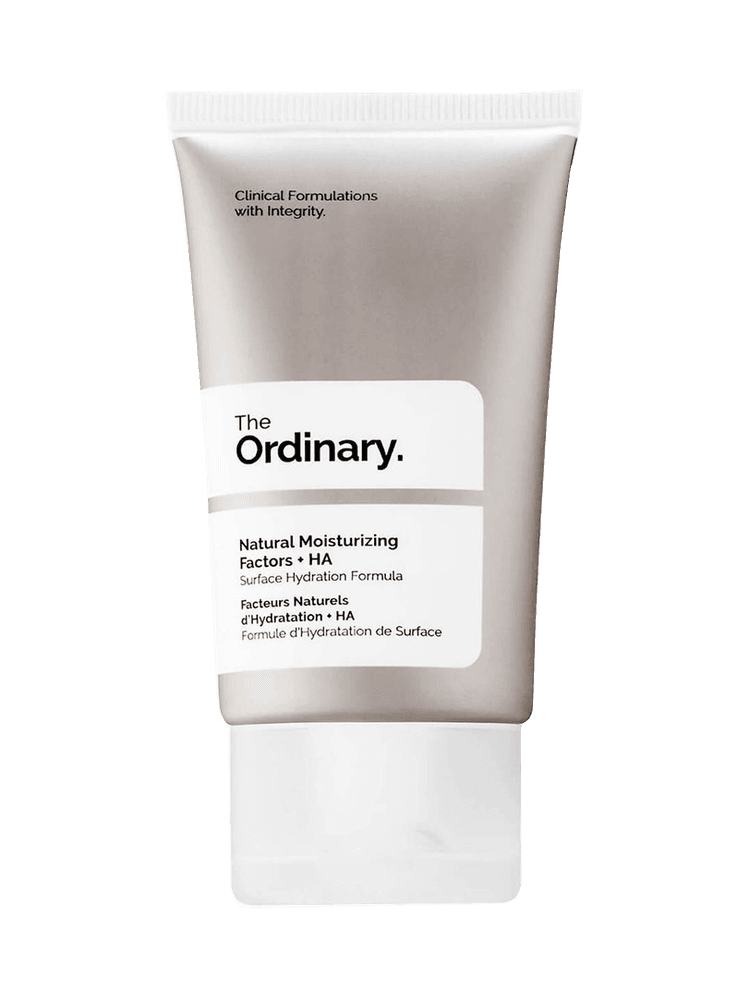
- Why it’s Vogue-approved: In typical The Ordinary style, this thicker skincare texture is infused with minimal ingredients to maximise hydration. It has been formulated with ingredients selected to closely mimic those found naturally in the skin to pack in the moisture and strengthen the skin barrier. The formula is made up of amino acids, fatty acids and ceramides that leaves the complexion soft and and smooth.
- Key ingredients: Amino acids, fatty acids, ceramides, sodium PCA and hyaluronic acid
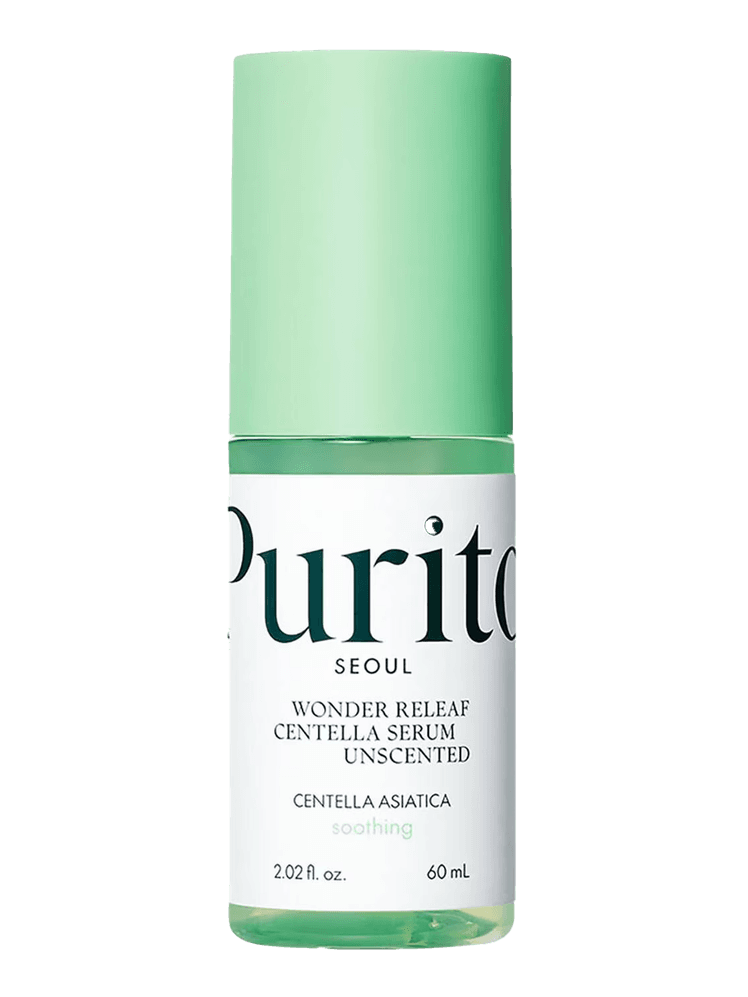
- Why it’s Vogue-approved: The hero ingredient in Purito’s Wonder Releaf Centella Serum is centella asiatica, a component that those prone to sensitivities should get familiar with. It is renowned for its soothing, healing and hydrating properties and should be very well tolerated by all skin types.
- This serum by the buzzy K-beauty label Purito is set alongside ceramides to take nourishment to the next level and combat the skin-stressing impact of external aggressors. The formula is lightweight and fragrance-free. Add to your routine after cleansing and before moisturiser.
- Key ingredients: Centella asiatica extract and ceramide NP
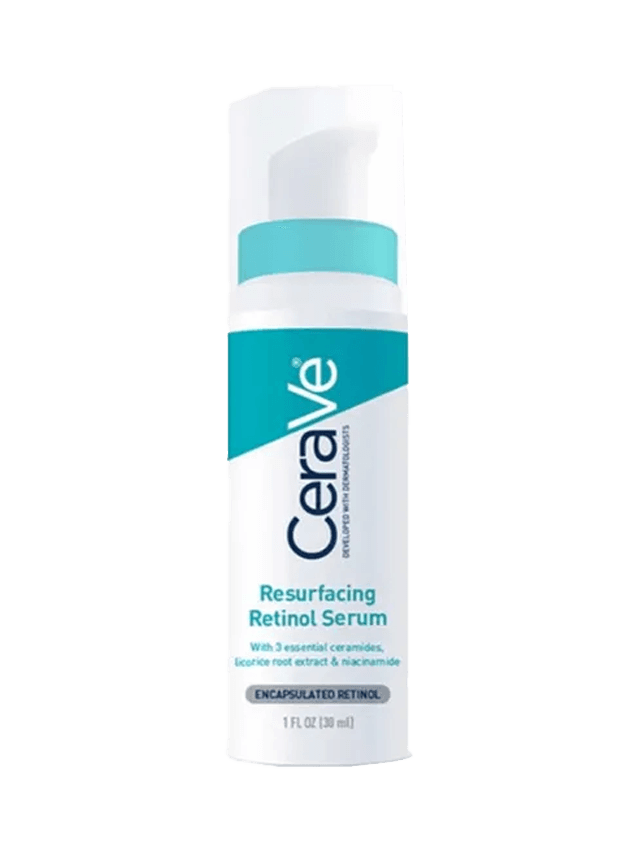
- Why it’s Vogue-approved: CeraVe’s Resurfacing Retinol Serum is brilliant for those suffering from blemishes or acne, as well as enlarged pores and post-inflammatory hyperpigmentation. With encapsulated retinol, it’s gentler on the skin barrier, so it won’t cause further irritation to the skin.
- Key ingredients: encapsulated retinol, liquorice root extract, niacinamide, ceramides
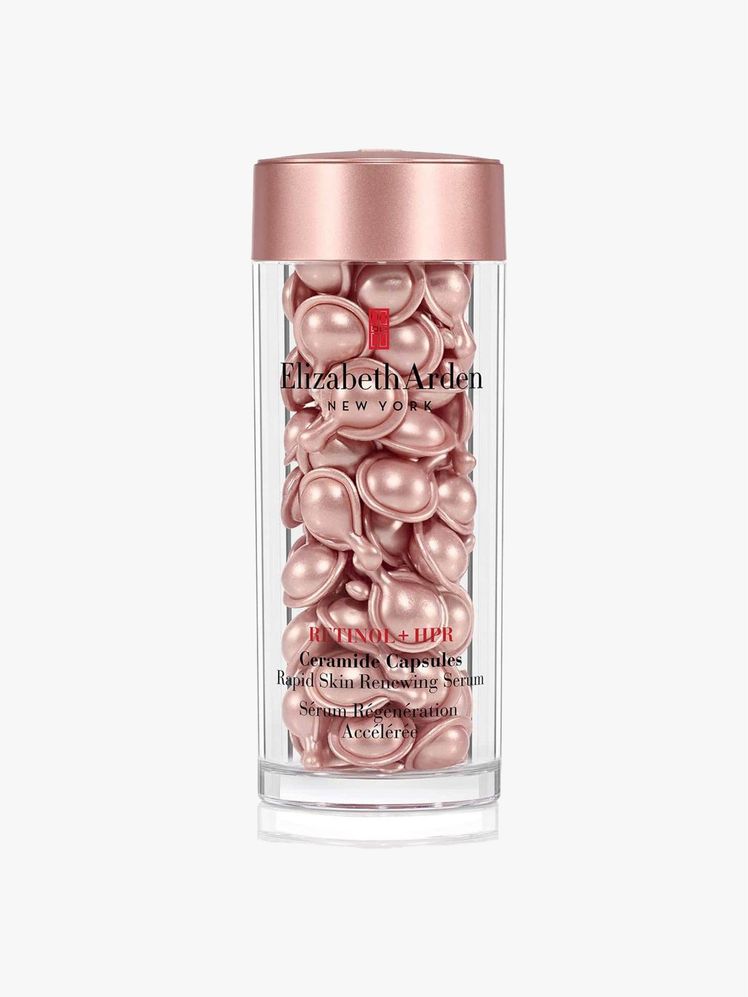
- Why it’s Vogue-approved: Formulated for fast results, Elizabeth Arden’s Retinol + HPR Ceramide Capsules promise to diminish the appearance of fine lines and wrinkles in just one week. Though retinol and the promise of rapid results may signal the potential for irritation, rest assured that has been taken care of with this clever formulation. Clinically tested on sensitive skin, the product is formulated with soothing bisabolol and oat, as well as a retinol complex that’s infused with the anti-ageing, retinoic acid ester HPR. HPR works by binding directly to retinoid receptors in the skin, thus bypassing the need for any chemical conversion and subsequent associated irritation.
- Key ingredients: Peptides and ceramides (to strengthen the moisture barrier), retinol and HPR complex (to target signs of ageing), bisabolol and oat (to soothe the skin).
- Best for: Vitamin A is considered the gold standard in any anti-ageing formulation because of its ability to support the skin’s natural collagen production and visibly smooth stubborn lines and wrinkles.
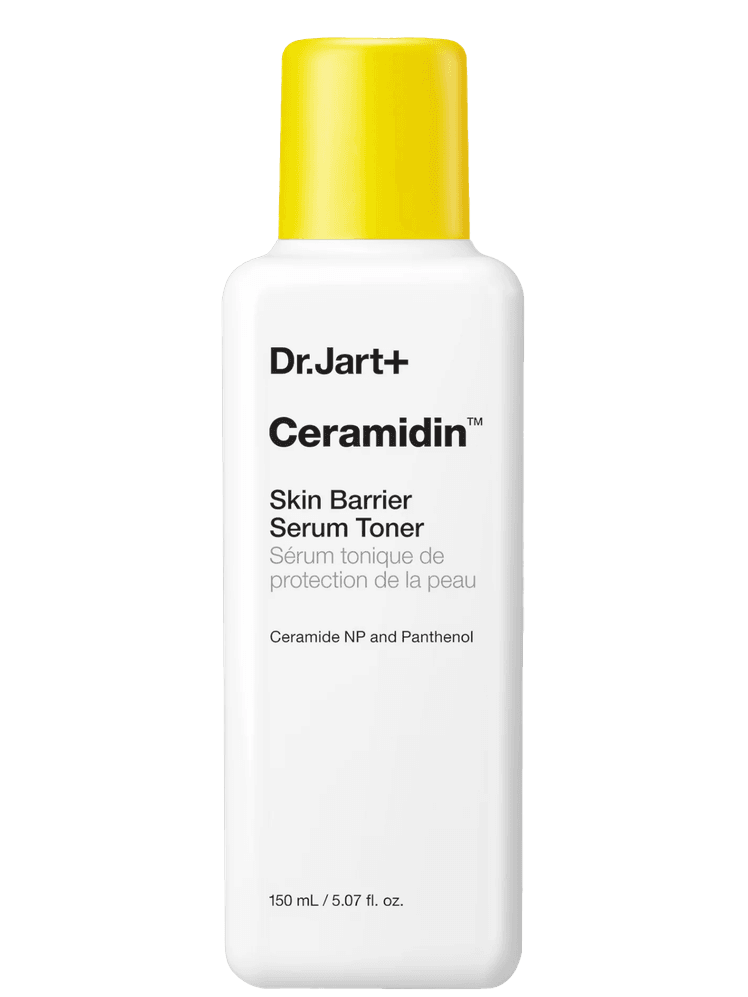
- Why it’s Vogue-approved: While officially dubbed a toner, this milky serum texture from Dr.Jart+ works double duty to hydrate the skin (so cast away any preconcieved notion of toners as drying). In order to do so, the formula calls on thrice the nourishing power from ceramides, panthenol and gylcerin. It’s lightweight and absorbs quickly. Be sure to also try the brand’s Ceramidin Cream, one of Vogue’s beauty and wellness editor Morgan Fargo’s favourite ever skincare products.
- Key ingredients: Ceramides, panthenol and gylcerin
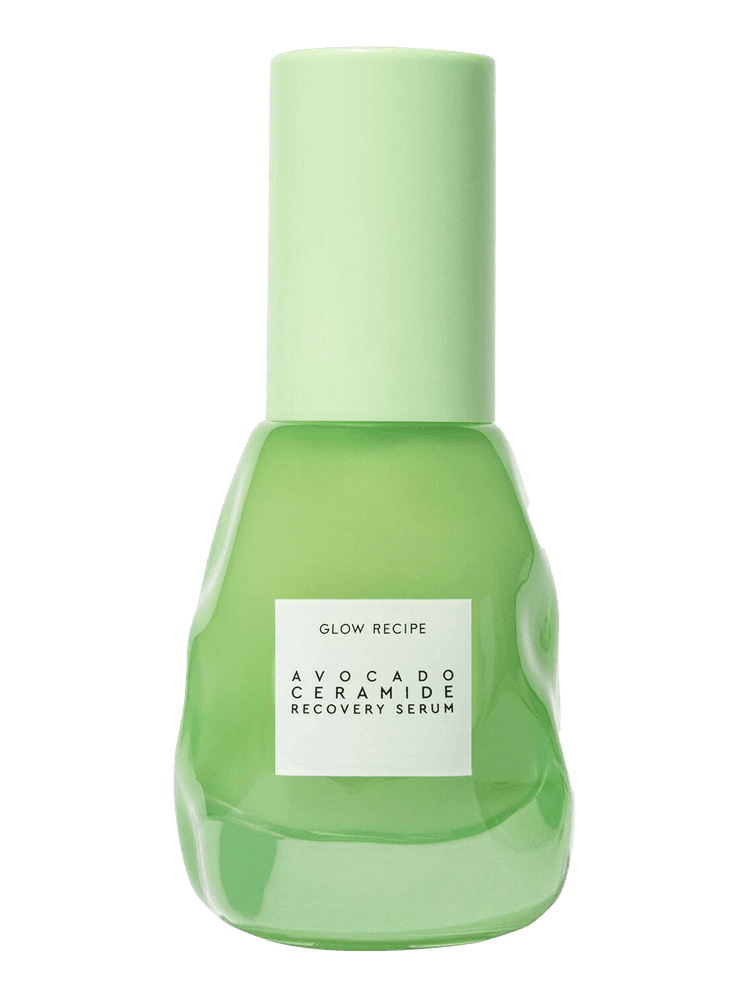
- Why it’s Vogue-approved: Avocado is not just a superfood as part of your brunch avo toast, it also has benefits for the skin too, where, in this serum from K-beauty inspired brand Glow Recipe, it works alongside ceramide, rice milk and allantoin to fight dehydration and strengthen the skin barrier. The ingredients have a soothing effect on the skin, while leaving long lasting hydration after use.
- Key ingredients: Avocado, ceramide-5, rice milk and allantoin
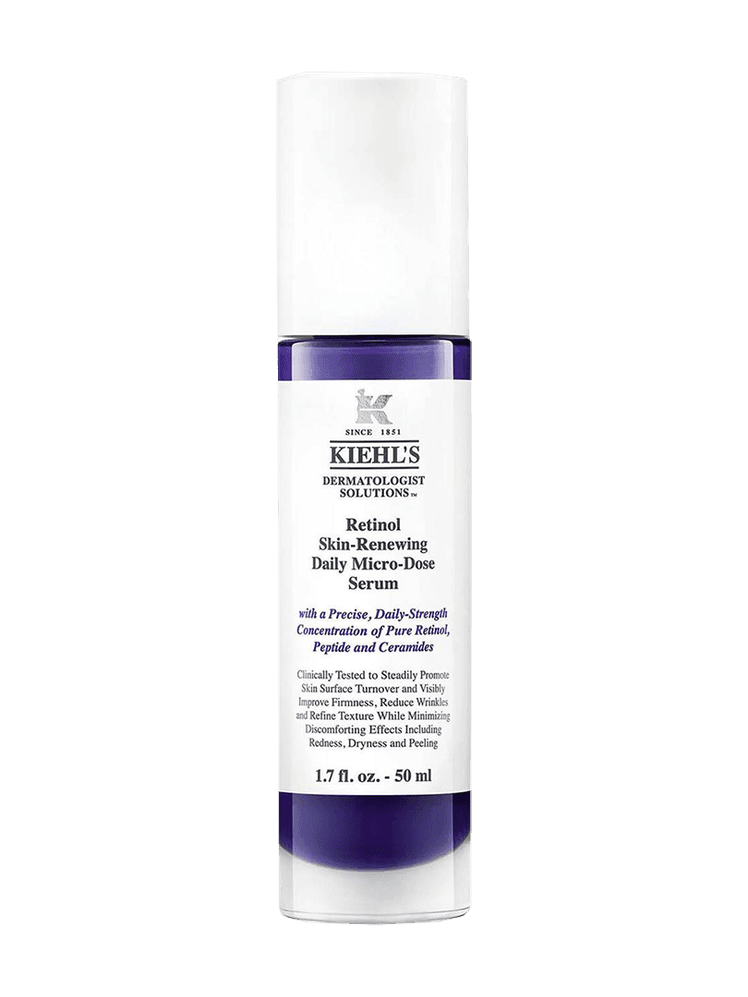
Kiehl’s
Retinol Skin-Renewing Daily Micro-Dose Serum
- Why it’s Vogue-approved: A potent hit of retinol, one of the most highly researched ingredients for anti-ageing on the market, Kiehl’s has paired the powerhouse ingredient with peptides and ceramides so that, while it gets to work increasing cell turnover, you are strengthening the skin barrier at the same time. This makes the vitamin A derivative far more tolerable, which is ideal for those just starting out on their retinol journey.
- Key ingredients: Retinol, peptides and ceramides
FAQs
What exactly are ceramides, and how do they function in the skin barrier?
According to dermatologist Dr Alexis Granite, “When ceramide levels are healthy, skin stays hydrated, resilient and calm. When they’re depleted, which can happen with over-cleansing, over-exfoliation, stress, weather change and inflammatory skin conditions, the barrier weakens, and skin can become dry, sensitive and reactive.”
Are ceramides better delivered in serums, creams or lotions?
“Ceramides work well in different textures, but delivery does matter,” reveals the expert. “Creams and lotions are ideal for sealing and maintaining the barrier because they usually combine ceramides with emollients and occlusives that reduce water loss.” As for serums, she says, they “are useful when the barrier is compromised, and you want to deliver ceramides early in your routine in a lightweight, fast-absorbing format.”
Which skin types benefit most from ceramide serums?
The beauty of ceramide serums is that they will, generally speaking, work for all skin types. “Ceramide serums are particularly beneficial for sensitive skin, eczema-prone skin, rosacea-prone skin and anyone dealing with dryness, irritation and/or post-procedure recovery,” confirms Dr Granite. “They’re also helpful for people using active ingredients who want to strengthen their barrier without adding weight or congestion.”
When should a ceramide serum be applied in a routine? Can it be layered with actives like retinoids, acids, or vitamin C?
“A ceramide serum should be applied after cleansing and before moisturiser and SPF,” says Dr Granite. “Think of it as laying down the building blocks of the barrier before you seal everything in. A ceramide serum can absolutely be layered with actives like retinoids, acids or vitamin C. In fact, pairing ceramides with actives often improves tolerance and reduces irritation. I usually recommend applying actives first, then following with a ceramide serum, and finishing with a moisturiser to lock everything in.”
Is a serum worth it compared to a ceramide-rich moisturiser?
This depends says the expert. “Whether a ceramide serum is “worth it” compared to a ceramide-rich moisturiser depends on your skin and routine. If your skin is generally balanced and you prefer simplicity, a well-formulated ceramide moisturiser may be enough. If your barrier is compromised, you’re using stronger actives, or you’re prone to sensitivity, a serum can offer more targeted support.”
Meet the expert
- Dr Alexis Granite is a dual-board certified dermatologist and co-founder of skincare-body brand Joonbyrd